If the models have actions on them, use separate models. If they're static (not moving), then combine them into one.
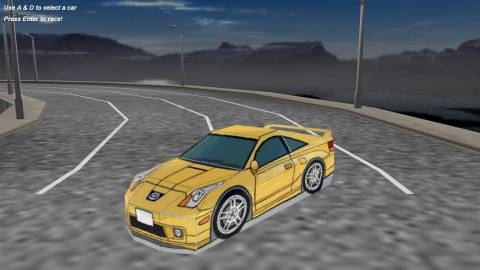
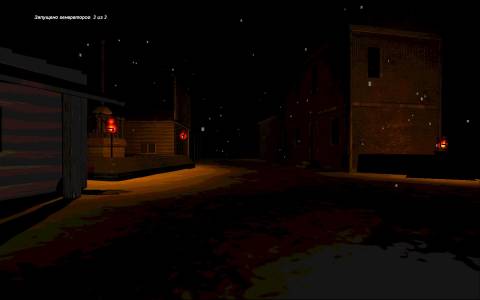
What I mean by several models existing in one massive MDL file is to have all the points, vertices, etc. in a single MDL file and that it is all visible in MED. This is best when you have objects of the same thing or using the same texture. The only disadvantage to this is that the textures cannot go above 1024 pixels on a side and that the models cannot go above 32,768 (or maybe 65,535) faces/vertices. Other than that, the advantages are tremendous. And using a map entity with several MDL's inside doesn't work either - my platforms in my game, for example, are of a map entity and, with only 80-some objects (which can be reduced to 50-something), I notice a lag in the frame rate when all visible. If I remove it, there's an increase on the frame rate, about 6 fps, so even if you had a map entity with 1024 objects in it, even if very simple, then it could have a huge impact on the frame rate. If you've seen the screenshots from my experiment, when I mass-combined 2048 objects into one single MDL file, the frame rate is higher, a lot higher. You can download the models I used in the experiment and see for yourself. It's double-zipped as zipping up the first ZIP file compressed it a strong 50%. It's the one ending in "all.mdl" with some stuff before that. See how that one is designed? That's combining all into one.